Initial product
Fall armyworm
Lepidoptera. Moths and caterpillars. The first order in development.
A caterpillar that moves across grasses and broadleaf crops and has a long record of resistance.
Crops
- Maize
- Sorghum
- Rice

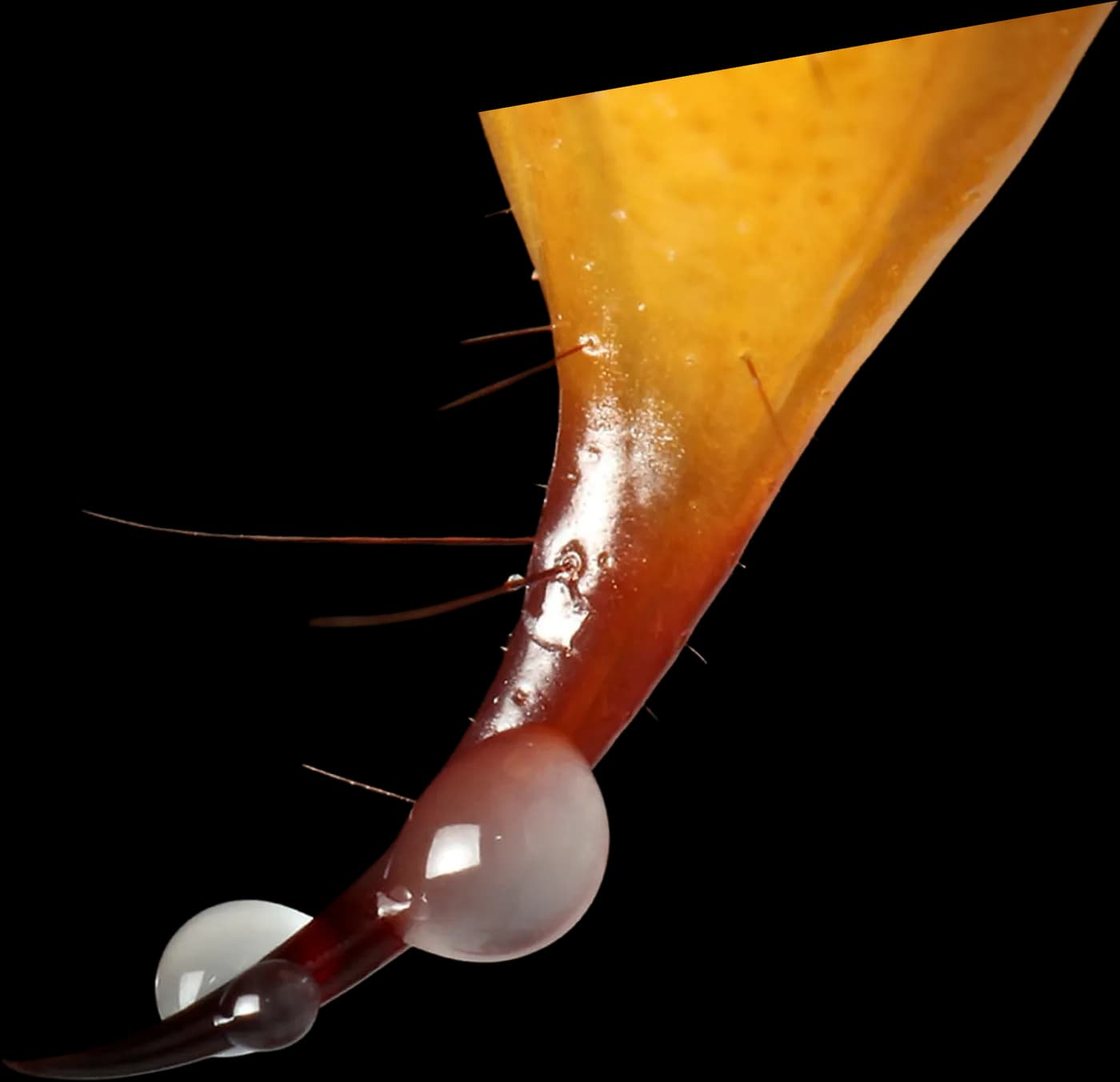
We combine AI-enabled design and biotechnology to develop precise, biodegradable mini-protein insecticides that tackle major agricultural pests.
Pest populations evolved resistance to the insecticides growers rely on. Protecting crops requires new tools that expand the options for effective resistance management.
Different products can act on the same biological target and share vulnerabilities to resistance. Growers need meaningful diversity in modes of action.
Crop protection must deliver pest control while meeting demands for worker safety, residue management, and protection of beneficial organisms. These are foundational design constraints for sustainable agriculture.
Solution
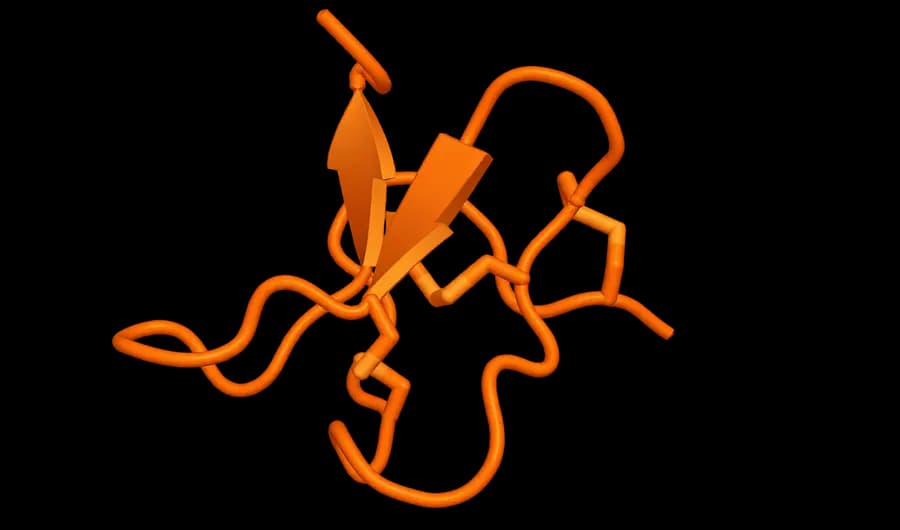
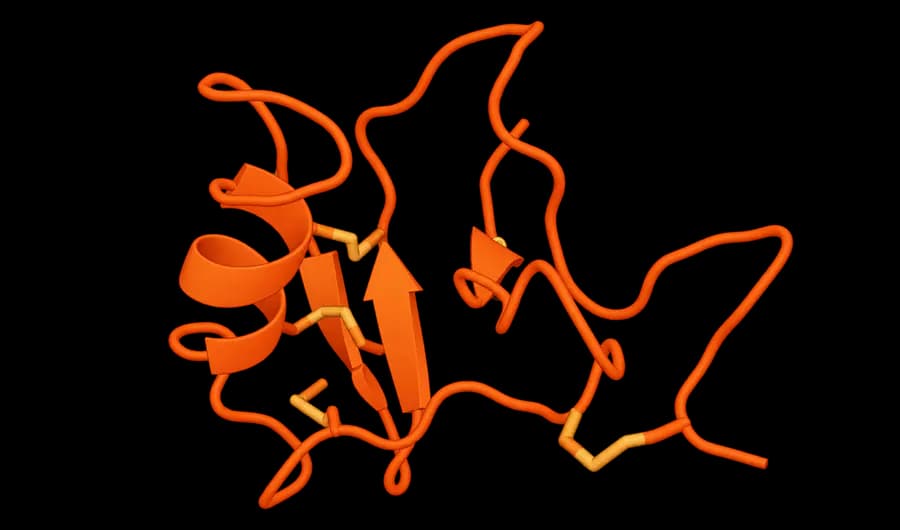
We turn the molecular blueprints of arachnid venom into a new generation of precision insecticides. Combining AI-enabled design, experimental science, and biotechnology, we develop mini-proteins to unlock novel modes of action against major agricultural pests. Potency, selectivity, and biodegradation into amino acids are at the core of our approach.
Arachnid venoms are a rich source of mini-proteins shaped by evolution to act on prey, including insects. We use their molecular structures as starting points, then redesign and test them for the demands of agriculture.
How a candidate is made
We start with arachnid venom mini-proteins that offer promising structures for insecticidal design. Selected scaffolds become the foundation for candidate development.
AraPred helps us explore and prioritize mini-protein variants around our target performance goals. The output is a focused set of candidates for experimental testing.
Selected designs are synthesized to produce material for initial characterization and testing.
We evaluate candidates in laboratory assays to measure insecticidal activity and investigate selectivity. Results help identify leads and guide the next design cycle.
Selected mini-protein designs move into recombinant expression development. We work toward producing correctly folded, active material through a reproducible biological process.
Laboratory studies evaluate delivery and performance under increasingly relevant exposure conditions. Planned greenhouse and field trials will test how promising formulations translate into crop protection.
Promising production processes move toward larger fermentation volumes and downstream recovery. The goal is a manufacturing route that can meet the quality, consistency, and cost requirements of agriculture.
Initial Product
Arakion LEP is our first insecticide in development, targeting crop-damaging caterpillars in the order Lepidoptera. It is the first application of a platform built to address additional pest groups and crops. It is not yet commercially available.
Target product profile
0 PHI
A solution for this critical period.
MRL exempt
A target profile aligned with the residue-management demands of modern food production.
4 hour REI
Reduced disruption to field operations.
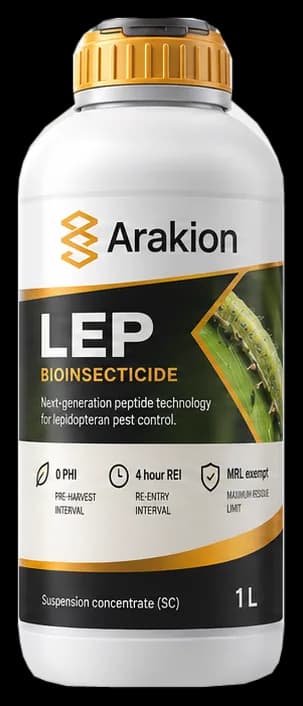
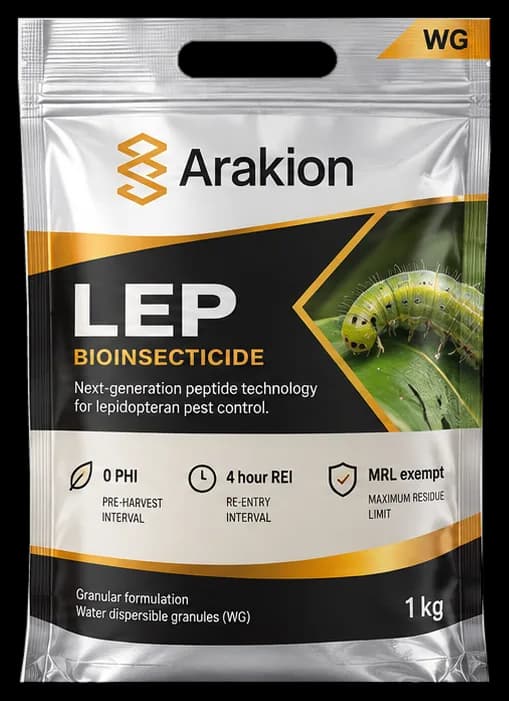
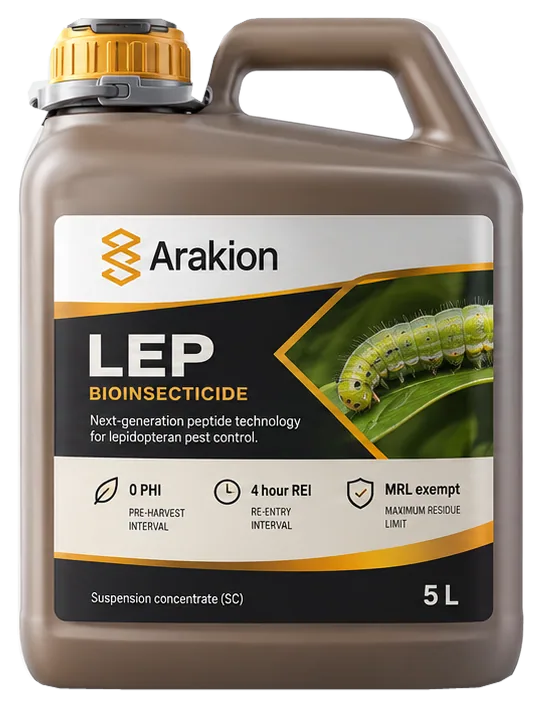
1 L SC · 1 kg WG · 5 L SC
Platform
AraPred is Arakion's AI-enabled design platform, built to turn venom-inspired mini-protein structures and experimental feedback into new candidates for targeted pest control.
Order
Pest
Initial product
Lepidoptera. Moths and caterpillars. The first order in development.
A caterpillar that moves across grasses and broadleaf crops and has a long record of resistance.
Crops
Moths and caterpillars. The first order in development.
Fall armyworm. A caterpillar that moves across grasses and broadleaf crops and has a long record of resistance. Crops: Maize, Sorghum, Rice.
Helicoverpa. A bollworm and pod borer on fiber and grain crops. Crops: Cotton, Soybean, Chickpea.
Diamondback moth. A brassica specialist, widely cited as one of the most resistance-prone pests. Crops: Cabbage, Canola.
Beetles. An order the platform can be aimed at next.
Corn rootworm. A beetle whose larvae feed on maize roots. Crops: Maize.
Colorado potato beetle. A foliage feeder with resistance to many chemical classes. Crops: Potato.
Sucking insects. An order the platform can be aimed at next.
Aphids. Sap feeders that also move plant viruses. Crops: Vegetables, Cereals.
Whiteflies. Sap feeders of protected and field crops. Crops: Tomato, Cotton.
Flies. An order the platform can be aimed at next.
Leafminers. Larvae that tunnel inside leaves of horticultural crops. Crops: Tomato, Leafy greens.
Team
Four founders, across biology, the design platform, the lab, and the business.
Backed by GridX

Co-founder and Chief Executive Officer
Integrates innovation workflow, connecting scientific discovery with the development of new crop protection solutions.

Co-founder and Chief Technology Officer
Leads AraPred, connecting computational design with the team's experimental workflow.

Co-founder and Chief Scientific Officer
Brings deep expertise in arachnid venom mini-proteins and their biological activity from his research at UNAM's Institute of Biotechnology. Leads Arakion's scientific strategy, connecting venom biology with the development of new insecticidal candidates.

Co-founder and Chief Business Officer
Industrial Engineer and MBA with more than a decade of commercial leadership experience across Latin America. Leads Arakion's business strategy, partnerships, and investor relations, bringing an entrepreneurial background and firsthand experience in agricultural production.








FAQ
Arakion is a biotechnology company developing a new generation of insecticides inspired by arachnid venom. We combine AI-enabled design, experimental science, and biotechnology to create precise, biodegradable mini-proteins for crop protection. Our first program targets Lepidoptera, establishing the foundation for a broader platform addressing major agricultural pests.
A mini-protein bioinsecticide uses a small protein as its active ingredient to control insect pests. Mini-proteins are built from amino acids and fold into defined structures that enable their biological activity. At Arakion, we design candidates based on mini-protein structures found in arachnid venoms and test how they act on target pests. Our goal is to turn these molecular starting points into effective, selective products that can be manufactured through biotechnology.
Arachnid venoms contain mini-proteins shaped by evolution to act on prey, including insects. That makes them valuable starting points for discovering new insecticidal molecules. Arakion builds on these structures through molecular design and experimental testing, developing defined mini-protein candidates for agricultural use. Recombinant production offers a path to manufacturing these molecules without relying on venom extraction at commercial scale.
AraPred combines computational design and experimental feedback to identify and optimize insecticidal mini-proteins. It connects successive rounds of molecular design and laboratory testing, using each round of results to guide the next. This iterative workflow drives the development of new active ingredients for targeted pest control.
We work toward a future in which growers have more effective options against resistant pests, and we are looking for partners to help build it. We welcome crop protection companies interested in candidate evaluation, co-development, licensing, and commercialization; research and manufacturing partners with complementary capabilities; and investors who share our ambition for the next generation of agriculture.
Tell us what you are working on and where you see an opportunity to collaborate. Use the contact form to share your organization, relevant pests or crops, markets, or technical capabilities. We will explore the fit and agree on the right next step, including confidentiality arrangements when needed.
Contact